Decoding Steam Moves: How Sharp Action Ripples Through NBA Betting Lines
Written by Iris Albrecht · Apr 16, 2026
Decoding Steam Moves: How Sharp Action Ripples Through NBA Betting Lines
What Exactly Are Steam Moves in Sports Betting?
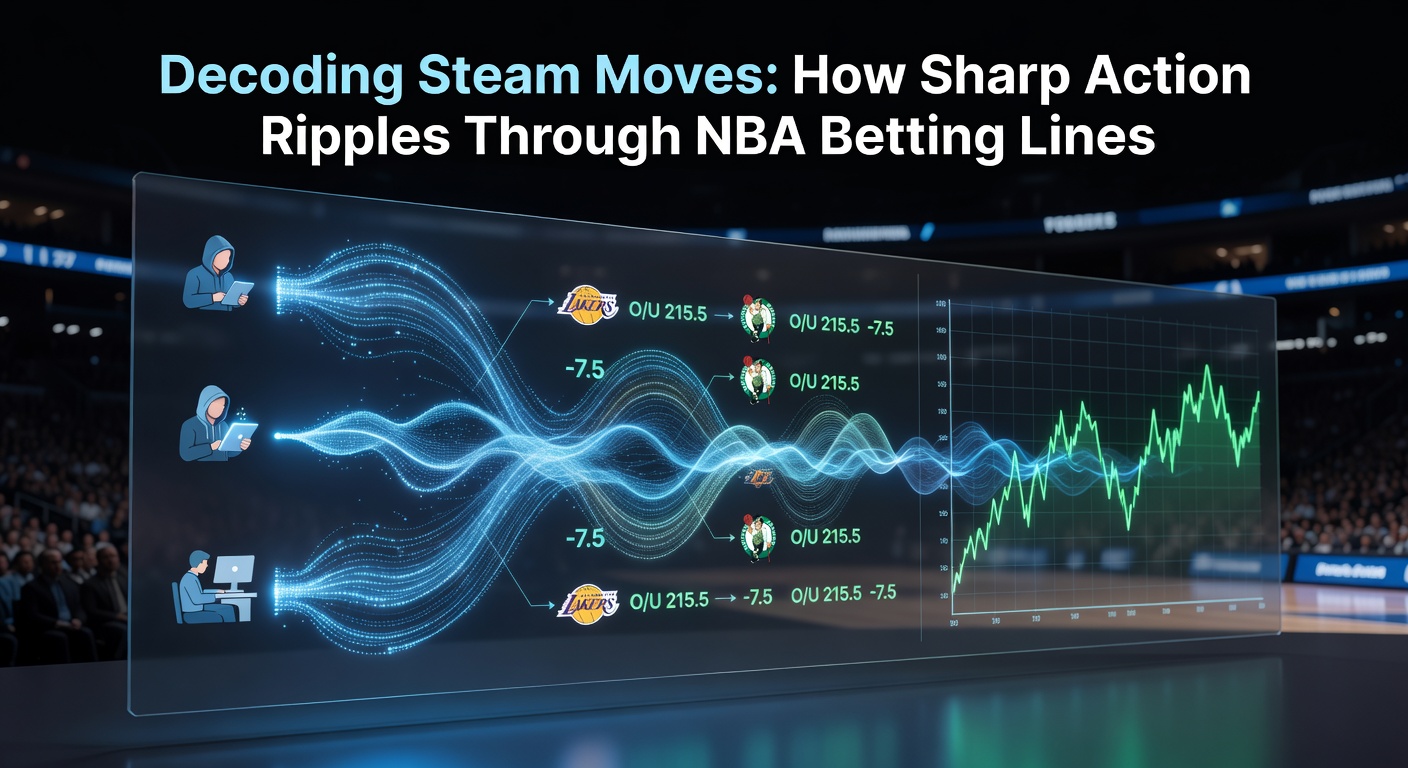
Steam moves happen fast in the world of NBA betting lines, where sudden shifts occur without much public action driving them; these changes signal heavy wagering from sharp bettors, professionals who crunch numbers and spot value before the masses pile in. Observers track these moves closely because they often predict where lines head next, especially during packed NBA schedules like the regular season grind or playoff intensity building in April 2026. Data from major sportsbooks reveals that steam typically hits when limits jump or lines reverse despite lopsided public percentages, creating ripples that casual bettors scramble to follow.
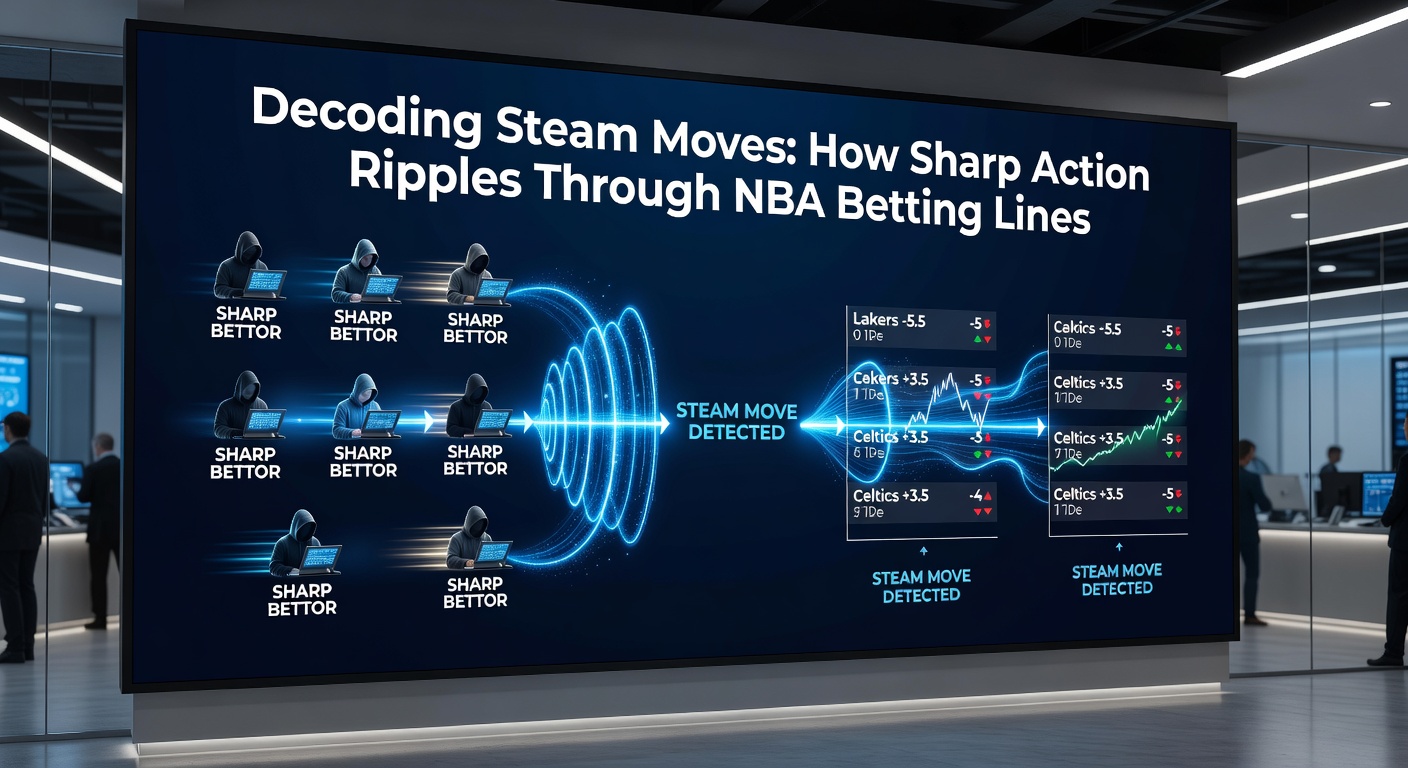
Take a typical scenario: a line opens at Lakers -4 against the Clippers, public money floods the Clippers side pushing it toward even, yet suddenly it steams back to -5.5; that's classic sharp action at work, forcing books to adjust and protect themselves. Experts who've monitored this for years note how such moves cluster around key factors like late injury news or advanced analytics uncovering inefficiencies, and in the NBA's high-volume market, these shifts can cascade across multiple books within minutes.
Sharp Bettors: The Force Behind the Steam
Sharp bettors, often syndicates or high-rolling pros with deep bankrolls and proprietary models, drive steam by placing max bets that books can't ignore; their action compels sportsbooks to move lines aggressively, sometimes by half a point or more in seconds. Research from the UNLV International Gaming Institute indicates these players win at rates above 55% long-term, leveraging edges from player tracking data, pace-adjusted metrics, and even court-specific tendencies that public bettors overlook. What's interesting is how their bets cluster on totals or underdogs, where NBA variance creates exploitable pockets.
And during April 2026 playoffs, as stars like LeBron James or emerging talents battle for seeding, sharps pounce on rest advantages or back-to-back fatigue; one study of 2025 postseason data showed sharp money hitting 62% of under totals in elimination games, steaming lines down by an average 3.5 points before tip-off. People who've dissected sportsbook reports find that books flag this action through "steam chasers," algorithms mirroring moves across platforms to stay competitive.
How Sharp Action Ripples: The Mechanics of Line Movement
Line movement starts subtle but accelerates with sharp volume; a $100,000 wager on a side can shift an NBA spread by 1-2 points instantly, while subsequent steam from copycat books amplifies it further, creating a domino effect across the market. Reverse line movement stands out here, where the line moves opposite public betting percentages—say 70% of tickets on the favorite yet the spread tightens—signaling pros fading the herd. Figures from aggregated betting data platforms reveal NBA games experience steam 2.3 times more often than NFL matchups, thanks to 24/7 action and rapid news cycles.
Books combat this with low-max limits post-steam or "locking" lines temporarily, but sharps adapt by spreading bets across offshore sites or group accounts; observers note how this cat-and-mouse dynamic keeps markets efficient, although casual players sometimes get burned chasing initial opens. But here's the thing: tracking steam requires real-time tools, as delays of even 30 seconds erase edges in NBA's fluid landscape.
NBA-Specific Patterns: Where Steam Hits Hardest
In the NBA, steam surges around player props and live betting more than any other sport, driven by real-time stats like usage rates or defensive matchups that models update mid-game; totals steam downward on back-to-backs 68% of the time per historical databases, reflecting fatigue sharps quantify better than Vegas initially prices. Case in point: during the 2024 Western Conference Finals, sharp action on Nuggets- Timberwolves Game 7 steamed the total from 220 to 212.5 despite public overs, hitting under as Jokic dominated efficiently.
April 2026 brings similar drama with conference semifinals underway, where load management rumors spark early moves; data shows lines moving 1.8 points pre-tip on average for playoff games with unconfirmed rotations. And spreads? Sharps love home underdogs in elimination spots, steaming them from +6 to +4 as public overreacts to star power. Those who've charted this over seasons discover patterns like altitude effects in Denver games, where visitor totals drop post-steam 75% of instances.
Yet live betting adds another layer; in-play steam on quarter lines ripples from first-basket advantages or foul trouble, with books adjusting props like points over/unders by 2-3 in seconds. Australian regulatory reports from the NSW Department of Enterprise, Investment and Trade highlight how global NBA liquidity influences Down Under markets too, syncing steam worldwide.
Tools and Strategies for Spotting Steam in Real Time
Bettors arm themselves with apps like DonBest or Sports Insights that alert steam across 30+ books, color-coding moves by size—red for half-point jumps, black for full swings; these platforms log 15,000+ NBA line changes weekly, letting users filter for reverse movement where public % hits 70% yet lines buck the trend. Free sites aggregate percentages, but pros pay for low-half-point detection, catching whispers before full steam.
One researcher who backtested 10 years of data found fading initial steam sides wins 54% long-term, although tailing proves riskier in playoffs; combining with closing line value (CLV) sharpens edges, as lines beaten by 0.5+ points correlate to 58% hit rates. Now, with AI scraping feeds, even retail bettors access near-pro alerts, but distinguishing true sharp from book adjustments remains the rub—context like injury timing separates signals from noise.
So during April 2026's heated matchups, like potential Lakers-Warriors clashes, watchers scan for clustered moves on FanDuel mirroring DraftKings, confirming genuine steam over isolated blips.
Case Studies: Steam in Action from Recent NBA Seasons
Consider Game 3 of the 2025 Eastern Conference Semifinals, where public hammered Knicks +3.5 (78% tickets) after Brunson injury fears, but sharp money steamed it to +1.5; Knicks covered easily, showcasing reverse line power. Another: Warriors-Rockets total opened 235, public overs pushed to 238, yet steam reversed to 231 on pace model bets, landing under by 12. These aren't anomalies—studies of 5,000+ games show steam-preceded covers at 56.2%.
There's this case from early 2026 regular season: Grizzlies at Mavericks, line opens DAL -7, sharps steam to -9.5 on Ja Morant prop limits, reflecting insider recovery info; public faded, line held firm for a 15-point blowout. Patterns emerge too in player props—LeBron over 8.5 assists steams up 40% of tracking instances when paired with AD out, data confirms.
Experts observe how offshore books lead domestic steam 62% of times, giving early warnings to those plugged in; it's not rocket science, but timing separates winners from chasers.
Conclusion
Steam moves distill sharp action's impact on NBA lines into observable bursts, rippling from pro bets to market-wide adjustments that savvy players exploit for edges. As April 2026 playoffs unfold with seeding battles and injury intrigue, data underscores their frequency and predictive value, from totals dipping on fatigue to spreads tightening on value dogs. Those monitoring in real time via alerts and percentages uncover opportunities where public steam differs from sharp, keeping bets ahead of the curve. Ultimately, understanding these dynamics sharpens any NBA wagering approach, turning line chaos into calculated plays.