How Haptic Feedback Shapes Engagement in Mobile Betting Interfaces
Written by Katja Walter · May 21, 2026
How Haptic Feedback Shapes Engagement in Mobile Betting Interfaces
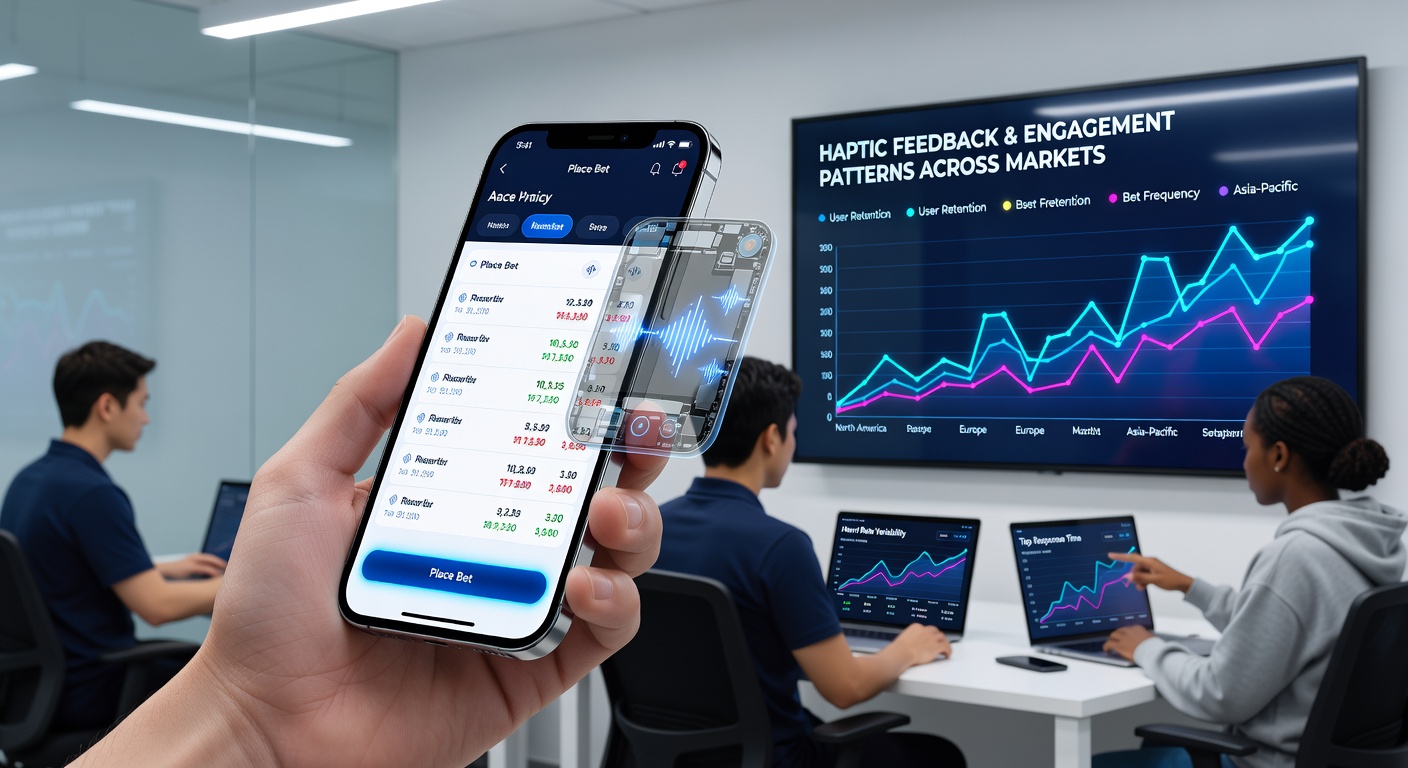
Developers monitor how subtle vibrations and tactile cues influence user behavior on smartphones and tablets, since these features connect directly to session duration and interaction frequency. Portable betting platforms incorporate haptic signals that confirm bet placement, signal changing odds, or mark a successful payout, creating a layered experience that blends visual and physical responses. Research indicates that these patterns help maintain attention during rapid decision cycles common in live markets. Operators collect anonymized usage data to identify which vibration sequences correlate with repeated logins and higher activity volumes. In markets such as North America and parts of Asia, teams note that distinct pulse rhythms for deposit confirmations lead to measurable lifts in daily active users. Those studying interface design observe that shorter, sharper pulses tend to pair with quick in-play wagers, while longer rolling sensations align with extended exploration of multi-leg accumulators.Core Haptic Patterns Used in Betting Apps
Platforms deploy several standard feedback types that developers refine through A/B testing. A single short buzz often marks bet acceptance, reducing uncertainty about whether an action registered correctly. Layered patterns, such as two quick pulses followed by a sustained tone, accompany live score updates or odds shifts, prompting users to check the screen without overwhelming visual notifications.
Win celebrations receive the most variation, with sequences that escalate in intensity as payout size increases. Data shows these tailored responses appear across regulated operators in different jurisdictions, where compliance teams review them to ensure they do not encourage excessive play. Analysts track retention curves before and after pattern updates, revealing consistent trends in markets where mobile traffic exceeds eighty percent of total volume.
Regional Differences in Adoption and Measurement
Markets vary in both device penetration and regulatory expectations, which shapes how haptic features evolve. European operators frequently integrate feedback tied to responsible gambling prompts, using gentle pulses to highlight session time reminders. Australian platforms emphasize patterns that support rapid cash-out decisions, matching the pace of popular sports such as Australian rules football and rugby.
In May 2026, several developers rolled out updated sensor libraries that adjust intensity based on ambient noise levels detected by the device microphone, aiming to keep signals noticeable without becoming intrusive. Figures from industry reports indicate that markets with higher smartphone refresh rates adopted these adaptive features faster, producing clearer engagement deltas in weekly cohort analysis.
Data Tracking Methods and Observed Correlations
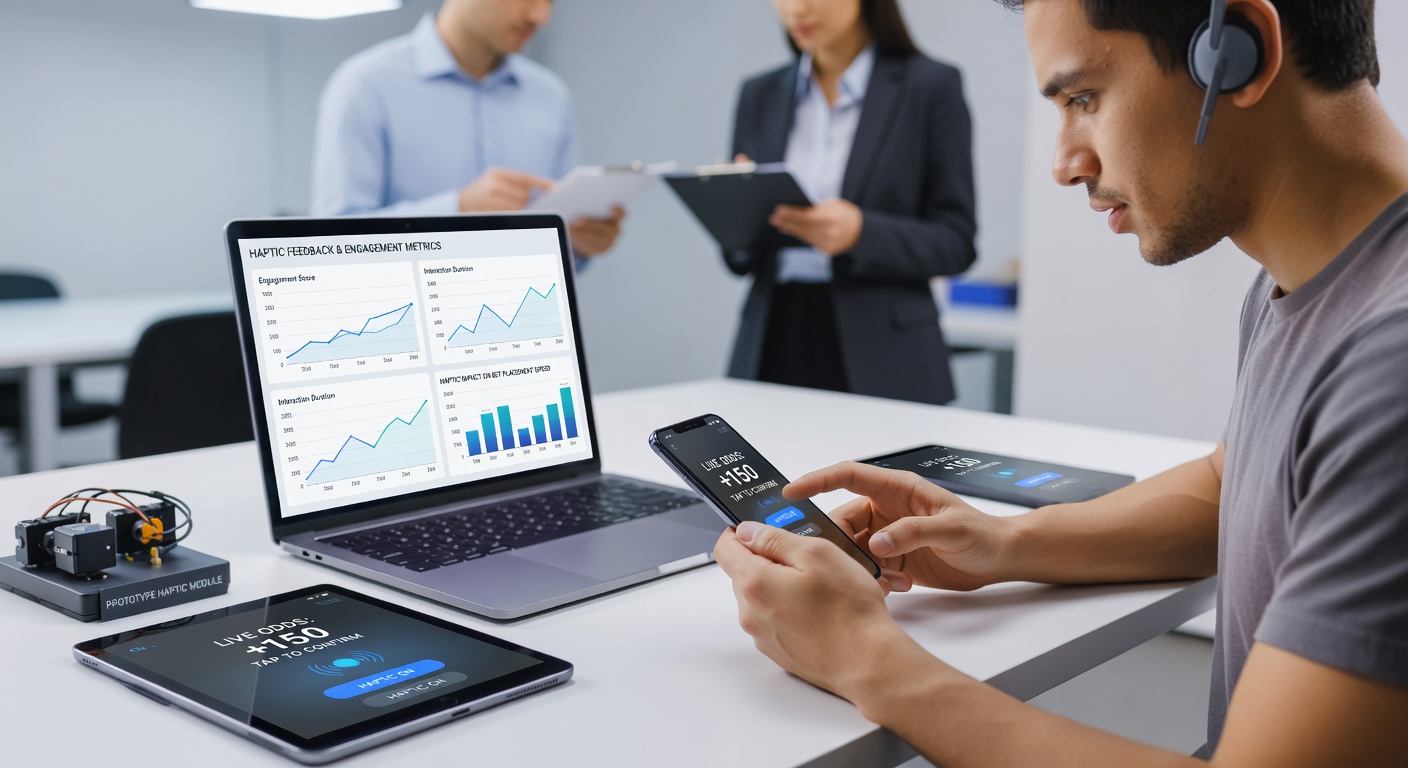
Teams combine telemetry from app sessions with device sensor logs to map which haptic events precede deposit events or extended browsing. Heat maps illustrate that users who receive confirmation pulses after placing parlays return to the app within shorter intervals than those on interfaces without tactile cues.
Studies conducted by research groups at institutions such as the Australian Institute of Family Studies have examined digital interface elements in gambling products, documenting how sensory feedback contributes to perceived seamlessness. Parallel work from Canadian academic sources highlights similar patterns in retention metrics when comparing apps with and without customizable vibration settings. Developers cross-reference these findings against internal KPIs, adjusting amplitude and timing to align with local user preferences.
Technical Implementation and Device Constraints
Modern smartphones contain linear resonant actuators that support nuanced waveforms beyond basic on-off vibration. Engineers calibrate these actuators to produce distinct textures, from crisp clicks that mimic physical button presses to diffuse waves that simulate rolling dice or card shuffles. Battery impact remains a consideration, so optimization routines limit pulse duration and frequency during low-power modes.
Cross-platform frameworks allow consistent delivery across iOS and Android ecosystems, yet calibration still requires separate tuning because actuator performance differs between hardware generations. Observers note that newer flagship devices deliver sharper differentiation, enabling finer control over feedback that older models cannot replicate at the same fidelity.
Future Adjustments and Market Testing
Upcoming releases scheduled for later in 2026 incorporate machine-learning models that personalize haptic intensity based on individual interaction history. Early pilots show that users who favor high-frequency trading-style bets receive tighter, more precise signals, while those exploring casino-style content encounter broader, more ambient patterns.
Testing cycles now run across multiple territories simultaneously, allowing developers to compare response rates in high-density urban markets against regional ones. This approach surfaces variations tied to network latency and typical session length, guiding refinements that maintain engagement without increasing data usage.
Conclusion
Patterns emerging from haptic feedback integration continue to inform interface updates as operators refine portable betting experiences. By linking specific tactile cues to measurable activity metrics, development teams identify sequences that sustain attention across diverse user bases. Ongoing data collection in May 2026 and beyond will likely reveal further refinements as device hardware and regulatory frameworks evolve in parallel.