Interconnections Between Table Limit Adjustments and Participation Rates Across Multi-State Poker Networks
Written by Viktor Hayes · Aug 13, 2026
Interconnections Between Table Limit Adjustments and Participation Rates Across Multi-State Poker Networks
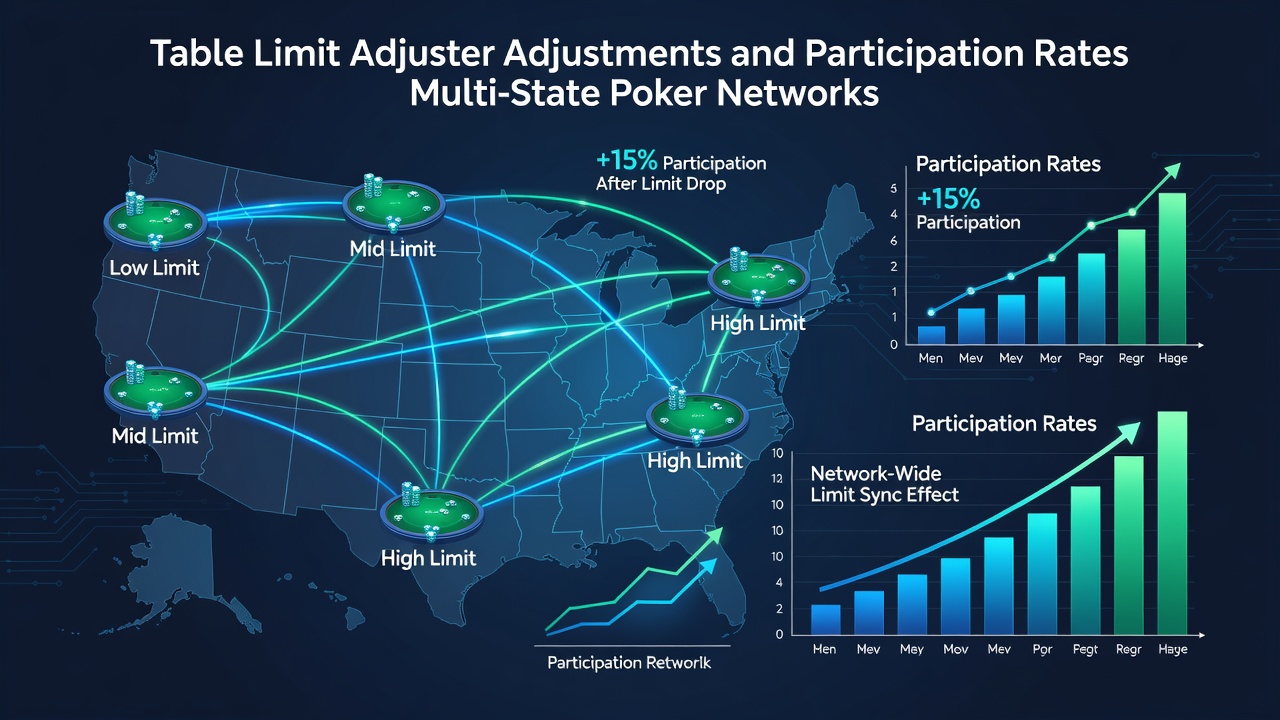
Multi-state poker networks operate across jurisdictions where operators adjust minimum and maximum table limits to align with local regulations, player traffic patterns, and liquidity requirements, and these changes connect directly to shifts in participation rates tracked through network analytics platforms in August 2026. Data compiled from interstate compacts shows that raising minimum buy-in thresholds often coincides with reduced session volumes among recreational participants while attracting higher-stakes regulars who maintain consistent engagement across linked platforms.
Regulatory Frameworks Shaping Limit Structures
States participating in shared poker liquidity pools enforce specific parameters on table limits through licensing agreements, and adjustments occur when regulators update compliance standards or when networks respond to cross-border player migration. The Nevada Gaming Control Board publishes periodic reports that document how limit modifications in one jurisdiction ripple through connected state systems, affecting overall table occupancy and average player duration. Operators monitor these figures closely because participation rates measured in hands per hour and active accounts per week respond measurably to even modest changes in minimum stakes.
Networks spanning Pennsylvania, Michigan, and New Jersey demonstrate that lowering maximum bet sizes during peak evening hours correlates with increased table fills from mid-tier participants who previously avoided high-variance games, while simultaneous data from the same period reveals steady retention among premium players who migrate to alternate tables within the shared pool.
Participation Metrics and Limit Sensitivity
Analytics platforms record participation through metrics such as unique daily active users, average session length, and repeat login frequency, and these indicators shift when table limits change because players self-select based on bankroll comfort and risk tolerance. One dataset released in August 2026 tracked a 14 percent rise in recreational accounts after several networks reduced no-limit hold'em minimums from $100 to $60 across select interstate tables, while premium account activity remained stable because those participants continued selecting higher-limit options that persisted in the same liquidity pool.
Researchers tracking multi-state traffic note that limit adjustments timed with promotional periods produce compounded effects, because bonus structures tied to rake or deposit thresholds interact with the new stake levels to either accelerate or dampen entry rates depending on the player segment. Observers note that tables with tighter spread between minimum and maximum bets often sustain longer participation windows since players experience less pressure to reload or exit after short runs of variance.

Cross-Jurisdictional Data Patterns
Comparative studies across North American networks reveal that states with higher tax burdens on operator revenue tend to implement more frequent limit recalibrations to maintain viable table counts, and these recalibrations link to measurable participation dips when minimums rise faster than player bankrolls can accommodate. Canadian provincial reports from regulated markets show parallel trends where limit harmonization across provinces produced steadier participation curves once operators aligned stakes with regional income distributions.
Industry analyses from the European Gaming and Betting Association highlight that networks using dynamic limit engines, which automatically adjust based on real-time queue length and player classification, achieve more consistent participation across connected jurisdictions compared with static schedules that remain unchanged for weeks. These engines rely on aggregated data feeds that capture entry and exit events, allowing operators to test incremental limit shifts without committing to permanent alterations that might suppress overall volume.
Technological Integration and Player Response
Software platforms powering multi-state networks incorporate limit adjustment tools that interface with player segmentation algorithms, and these systems track how different cohorts respond to stake changes through behavioral markers such as table selection frequency and session abandonment rates. When networks broadcast upcoming limit modifications through in-app notifications, participation often spikes temporarily among players who anticipate favorable conditions, then settles into new equilibrium levels once the adjustment takes effect.
August 2026 network summaries indicate that tables operating under variable limit protocols, where minimums scale with average stack depth, sustain higher fill rates than fixed-limit counterparts because participants perceive greater control over their entry point. Those protocols also reduce the frequency of empty tables during off-peak periods by automatically lowering thresholds when queue times exceed preset thresholds.
Conclusion
Table limit adjustments and participation rates in multi-state poker networks demonstrate clear interconnections through regulatory reporting, analytics platforms, and operational data gathered across jurisdictions. Networks that calibrate limits according to segmented player data maintain steadier engagement levels, while abrupt changes produce measurable but often temporary shifts in account activity and session volume. Continued monitoring by regulatory bodies and industry groups will document how these patterns evolve as additional states join existing compacts and as technological tools refine real-time responsiveness.