Interpreting Player Migration Trends Between Regulated Virtual Table Environments and Emerging Blockchain-Based Alternatives
Written by Katja Walter · May 23, 2026
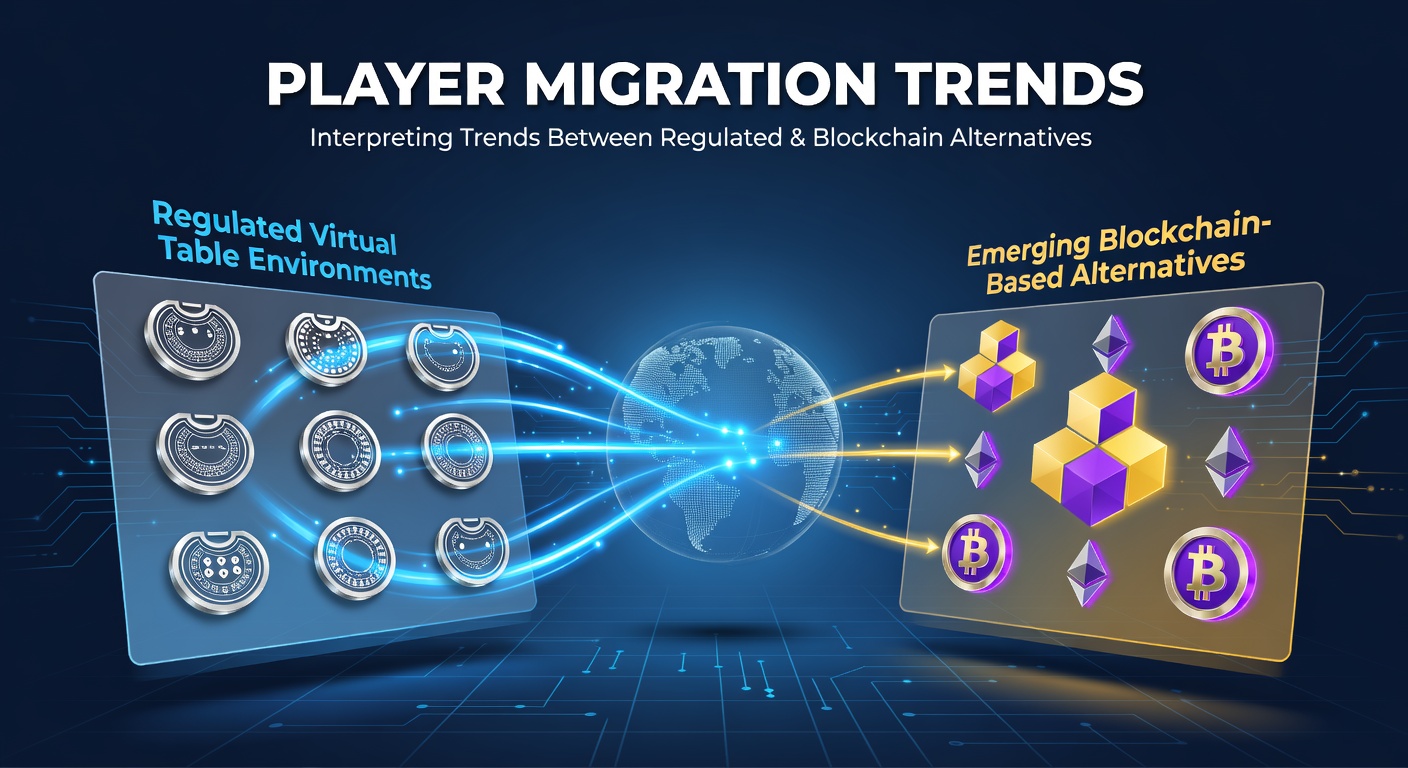
Interpreting Player Migration Trends Between Regulated Virtual Table Environments and Emerging Blockchain-Based Alternatives
Regulated virtual table environments consist of licensed online platforms that offer games such as blackjack, roulette, and baccarat under oversight from bodies including the Nevada Gaming Control Board and the Massachusetts Gaming Commission, while blockchain-based alternatives rely on decentralized ledgers to deliver similar experiences with added elements like provably fair algorithms and cryptocurrency transactions. Data collected through mid-2026 indicates measurable shifts in player activity between these two categories, with analysts tracking volume changes across multiple markets.
Current Landscape of Regulated Virtual Tables
Regulated virtual table environments operate within frameworks that mandate age verification, transaction reporting, and house edge disclosures, and operators in these spaces must comply with jurisdictional rules that vary by region. In North America, state-level licensing has expanded since 2023, leading to increased participation numbers reported by commissions in several jurisdictions. European markets maintain similar structures through national authorities that enforce deposit limits and responsible gaming tools, and these requirements shape how players interact with table games on licensed sites.
Player retention in regulated settings often correlates with perceived security and access to dispute resolution mechanisms, according to reports from industry associations. Transaction speeds in these environments typically range from seconds to minutes depending on payment method, yet certain users explore options outside these systems when seeking different features such as lower minimum bets or direct wallet integration.
Blockchain Platforms and Their Distinct Features
Blockchain-based table games function on networks that record every outcome on public ledgers, allowing participants to verify results independently through cryptographic proofs. These platforms frequently accept digital currencies and operate without traditional banking intermediaries, which reduces processing times to near-instant levels in many documented cases. Emerging alternatives in this category have introduced smart contract mechanics that automate payouts, and adoption metrics from 2025 into May 2026 show steady user growth in regions where cryptocurrency access remains unrestricted.
Research from academic institutions has examined how transparency claims on these platforms influence user decisions, with studies noting higher engagement among tech-savvy demographics. Regulatory responses differ globally, with some jurisdictions exploring integration of blockchain elements into existing frameworks while others maintain separation between licensed and decentralized offerings.
Documented Migration Patterns Through 2026
Figures from multiple monitoring sources reveal that a portion of table game players have transitioned toward blockchain alternatives since early 2025, with activity spikes observed after new network upgrades improved scalability. In markets where both options coexist, data indicates that migration often occurs in stages, beginning with small test deposits before larger volumes shift. Observers tracking these movements point to differences in payout structures and game verification methods as contributing elements, while noting that many participants maintain accounts across both categories rather than fully abandoning regulated sites.
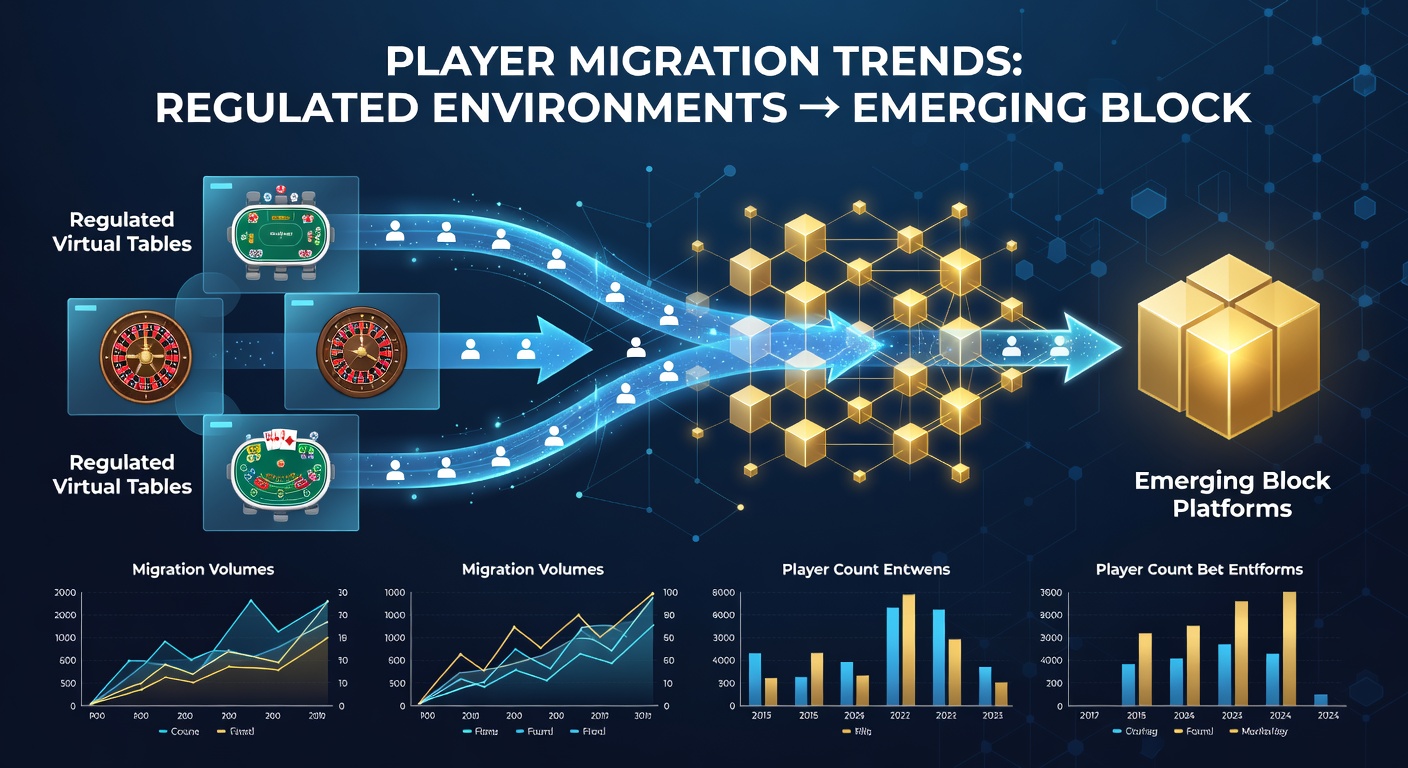
Regional variations appear pronounced, with higher blockchain uptake reported in parts of Asia and Latin America compared to stricter European environments. Canadian provincial data through spring 2026 highlights moderate crossover activity, particularly among users already familiar with digital assets. Australian research bodies have published analyses showing that players citing faster settlement times represent a measurable segment of those exploring decentralized platforms.
Factors Driving Observed Shifts
Transaction cost differences, verification processes, and regulatory constraints represent primary variables cited in migration studies. Blockchain environments often advertise reduced fees due to the absence of traditional processors, yet they introduce volatility risks tied to cryptocurrency values that regulated platforms avoid through fiat options. Security perceptions also factor into decisions, as public ledger transparency appeals to some while others prioritize the established oversight present in licensed virtual tables.
Analyses from the European Gaming and Betting Association indicate that promotional structures and loyalty programs on regulated sites continue to retain significant user bases, whereas blockchain platforms attract those prioritizing anonymity features. Cross-platform play remains common, with individuals alternating based on specific game types or time constraints rather than committing exclusively to one model.
Implications for Industry Monitoring
Stakeholders including regulators and platform operators track these trends through aggregated transaction data and user surveys, and findings from May 2026 suggest ongoing adaptation on both sides. Some regulated operators have begun incorporating elements like faster digital payments in response to competition, while blockchain projects explore compliance features to broaden appeal. Continued observation of these patterns provides insight into how player preferences evolve alongside technological and policy developments across jurisdictions.
Conclusion
Player movement between regulated virtual table environments and blockchain alternatives reflects measurable responses to differences in speed, transparency, costs, and oversight, with data through May 2026 documenting gradual shifts rather than wholesale replacement. Regional authorities and research groups continue to compile statistics that clarify these dynamics, and the coexistence of both models appears likely to persist as each category refines its offerings based on observed user behavior.