Shadow Ledgers: Tracing Anonymous Transaction Flows That Reveal Risk Thresholds in Multi-Jurisdiction Digital Bingo Halls
Written by Cameron Keller · Jun 20, 2026
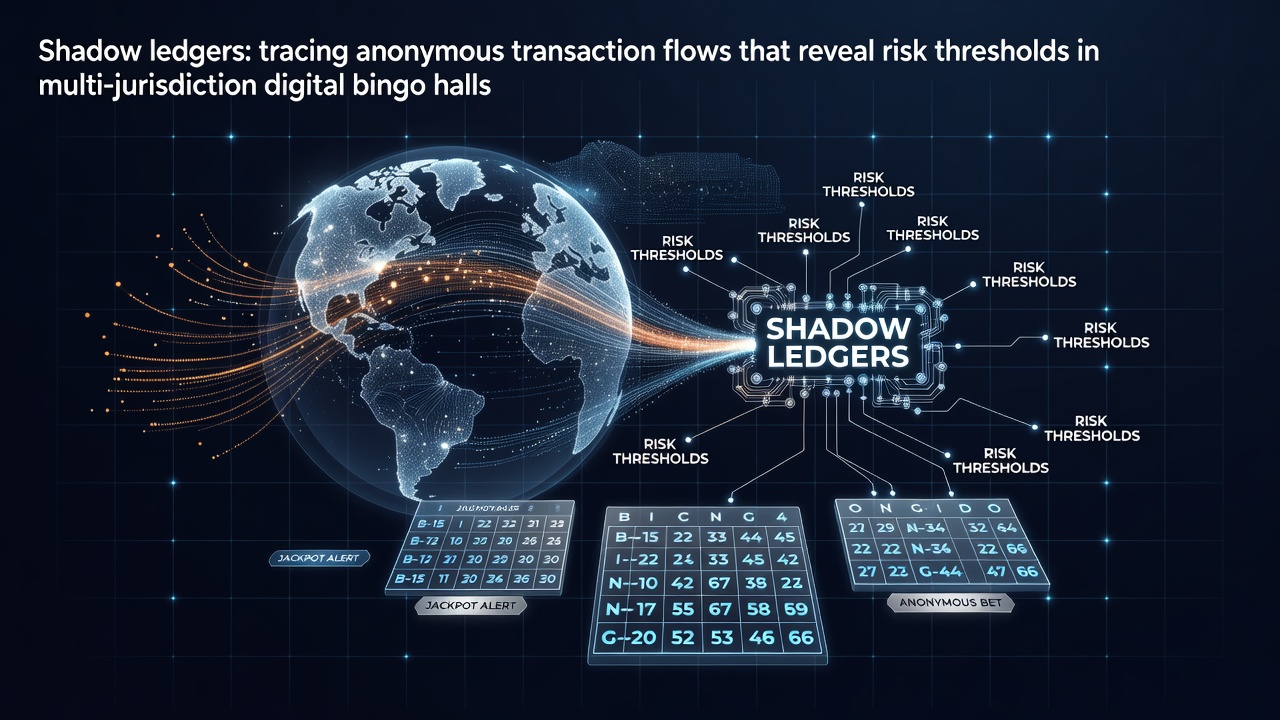
Shadow Ledgers: Tracing Anonymous Transaction Flows That Reveal Risk Thresholds in Multi-Jurisdiction Digital Bingo Halls
Digital bingo platforms operating across borders have developed intricate systems to manage player activity, and shadow ledgers represent one method observers note for mapping anonymous flows that surface potential risk indicators. These records compile data points from encrypted channels and fragmented payment processors, creating visibility into patterns that span regulatory zones in places such as Canada, Australia, and several EU member states. Researchers at institutions tracking online gaming have documented how these ledgers integrate timestamps, wager volumes, adn withdrawal sequences without relying on traditional account identifiers, which allows analysts to flag clusters exceeding established thresholds in real time. Multi-jurisdiction operations introduce variables that single-region systems rarely encounter, including currency conversions, differing tax reporting requirements, and staggered licensing renewals. According to data compiled by the Australian Transaction Reports and Analysis Centre, bingo-related transactions crossing into licensed networks showed a 17 percent rise in cross-border volume during the first half of 2026. Shadow ledgers capture these movements by correlating metadata from digital wallets and third-party processors, revealing concentrations that might indicate layered activity or rapid cycling between accounts.Mechanics Behind Shadow Ledger Construction
Operators assemble shadow ledgers through a combination of on-platform telemetry and external data feeds, stitching together elements that standard accounting leaves opaque. One common approach involves hashing player behavior sequences while preserving anonymity, then overlaying geographic markers derived from IP ranges and payment origin points. Experts who have examined these frameworks report that the resulting graphs highlight velocity spikes, such as multiple high-value entries within short windows, that align with thresholds set by financial intelligence units in participating jurisdictions.
Because bingo halls often serve participants from regions with distinct anti-money laundering protocols, the ledgers must accommodate staggered compliance calendars. Platforms licensed in Ontario, for instance, feed into broader Canadian oversight mechanisms managed through the Alcohol and Gaming Commission of Ontario, whereas Australian entities align with AUSTRAC reporting cycles. The ledgers bridge these gaps by normalizing timestamps and normalizing currency values, enabling comparative analysis across datasets that would otherwise remain siloed.
Transaction Flow Mapping in Practice
Tracing begins when a participant initiates a deposit through an anonymous channel, after which the ledger records subsequent wager placements and any prize distributions without attaching personal identifiers. Studies conducted by the University of Nevada's International Gaming Institute have shown that clusters forming around specific prize pools in digital bingo rooms can signal elevated risk when cumulative flows surpass regional benchmarks. In June 2026, several platforms reported adjusting internal alerts after ledger analysis identified repeated patterns exceeding 50,000 AUD in aggregated anonymous entries over a 72-hour span.
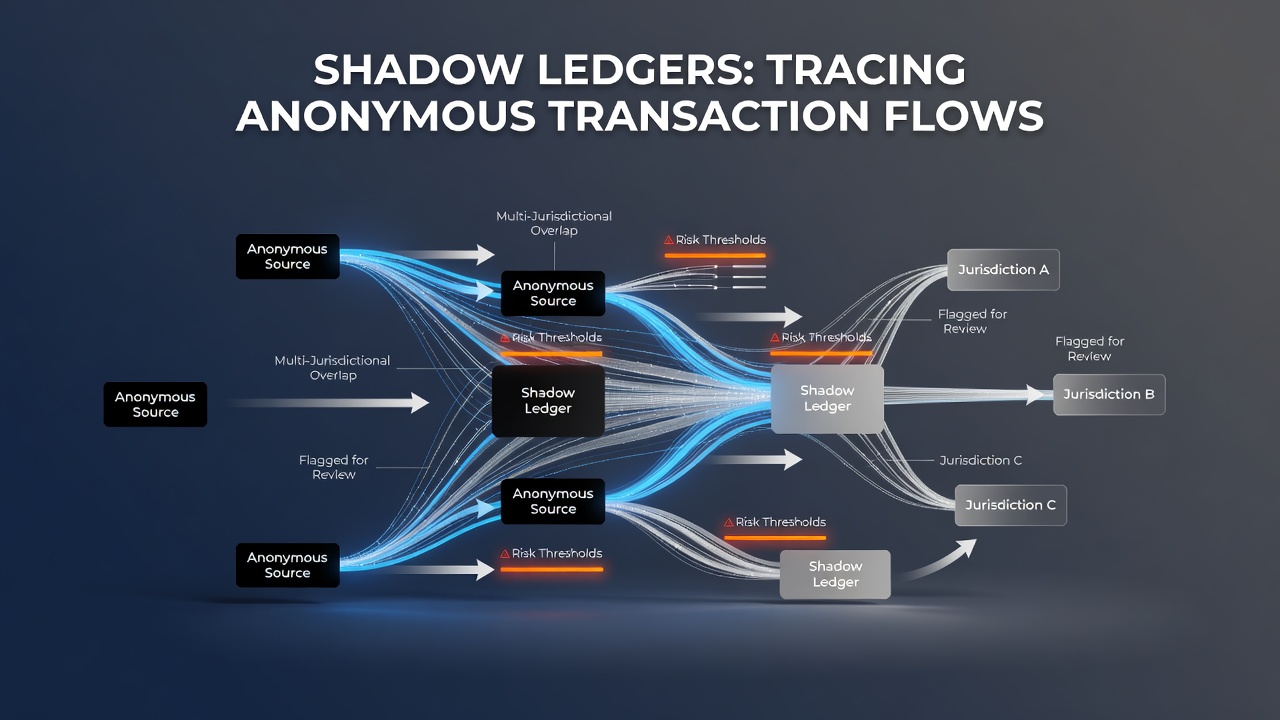
These flows frequently route through intermediary processors that obscure direct source attribution, yet the ledgers reconstruct linkages via behavioral signatures such as consistent session durations or recurring prize claim intervals. Observers note that bingo variants with progressive elements generate particularly dense data points because prize contributions accumulate across multiple jurisdictions simultaneously. The resulting maps allow compliance teams to isolate segments where activity density crosses thresholds that trigger enhanced due diligence under local rules.
Risk Threshold Identification Across Borders
Thresholds themselves vary by jurisdiction yet share common markers around velocity, volume, and geographic dispersion. Data from the Canadian Gaming Association indicates that bingo operators maintaining multi-province networks have incorporated ledger-derived metrics into their monitoring protocols since early 2025, with refinements continuing through mid-2026. When anonymous flows concentrate in specific time zones or exhibit rapid in-and-out patterns, the systems flag them for review even if individual transactions remain below single-jurisdiction limits.
One documented approach uses graph theory to connect seemingly unrelated entries that share metadata fingerprints, such as similar device fingerprints or synchronized login sequences. This method has enabled identification of layered structures where funds cycle through several digital bingo rooms before consolidation, a pattern researchers associate with attempts to stay beneath aggregated reporting ceilings. Platforms that deploy these techniques report fewer compliance escalations because early detection allows proactive segmentation of high-velocity accounts.
Regulatory Context in Mid-2026
By June 2026, several oversight bodies had begun requesting ledger summaries as part of routine examinations for cross-border operators. The approach aligns with broader efforts to standardize data sharing among financial intelligence units while respecting differing privacy statutes. Industry reports from the European Gaming and Betting Association highlight that bingo-focused platforms have invested in interoperable ledger formats precisely to satisfy such requests without exposing proprietary player data.
Training programs for compliance personnel now emphasize interpretation of these flows, teaching staff to distinguish routine seasonal spikes, such as those occurring around major sporting events, from anomalous concentrations that warrant further scrutiny. The emphasis remains on pattern recognition rather than individual attribution, preserving the anonymous character of the underlying transactions.
Conclusion
Shadow ledgers have become integral tools for mapping transaction dynamics in multi-jurisdiction digital bingo environments, supplying structured visibility into flows that traditional records leave fragmented. As regulatory expectations continue to evolve, the capacity to surface risk thresholds through aggregated, anonymized data supports both operational continuity and compliance alignment across diverse licensing regimes. Continued refinement of these methods will likely depend on collaboration between operators, academic researchers, and financial intelligence agencies working within their respective regional frameworks.