Tracing Liquidity Patterns in Cross-Border E-Sports Wagering Pools and Their Links to Team Performance Data from Emerging Asian Leagues
Written by Cameron Keller · May 28, 2026
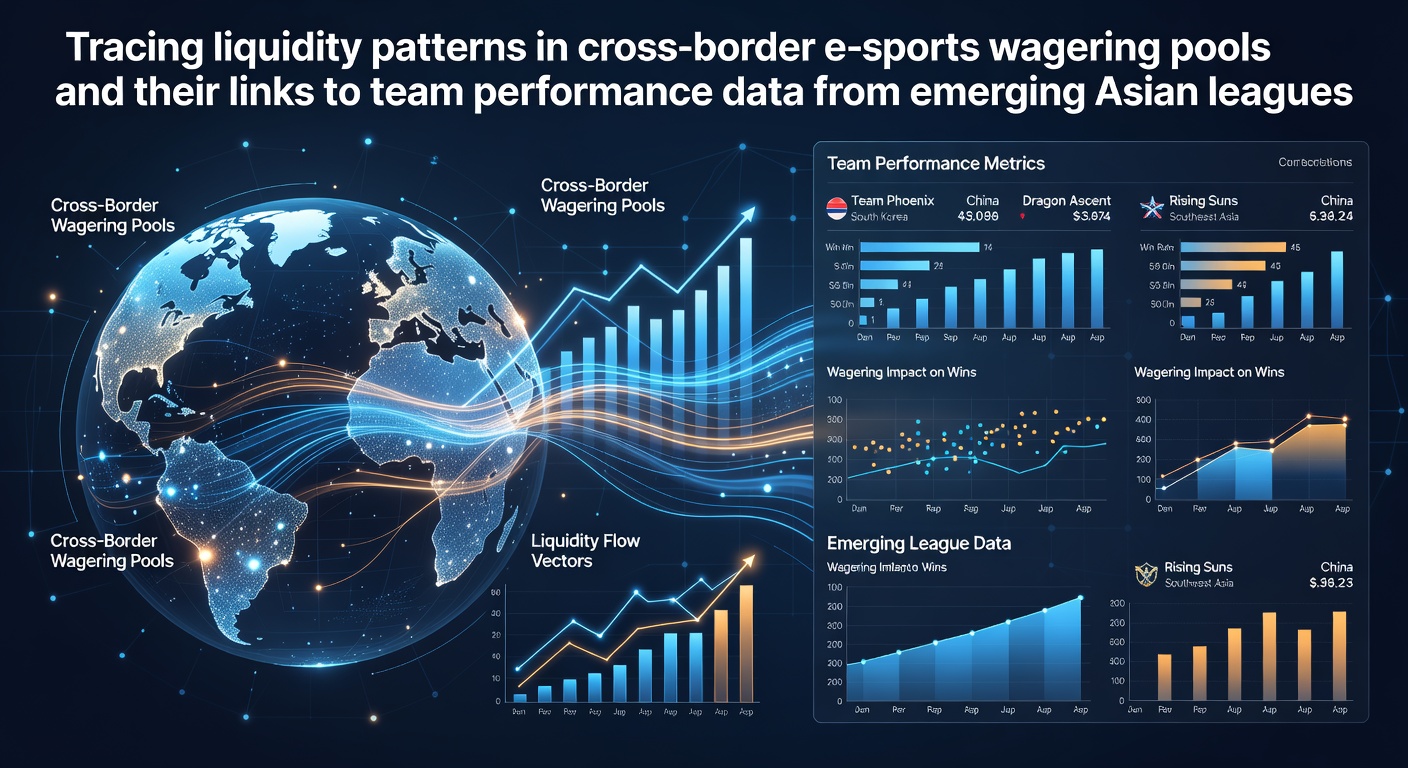
Tracing Liquidity Patterns in Cross-Border E-Sports Wagering Pools and Their Links to Team Performance Data from Emerging Asian Leagues
Cross-border e-sports wagering pools have grown rapidly in recent years as platforms aggregate bets from multiple jurisdictions on matches from emerging Asian leagues in titles such as League of Legends and Valorant. Observers note that liquidity, defined as the volume and speed of funds moving through these pools, often shifts in response to incoming performance indicators from teams in leagues like the Vietnam Championship Series and the Pacific Championship Series. Researchers have tracked these movements through aggregated transaction data released by betting operators, revealing patterns that align with metrics such as average kill-death ratios and objective control percentages published by league organizers.
Understanding Liquidity in Multi-Jurisdictional Pools
Liquidity in these pools builds when bettors from different regions place wagers simultaneously, and the resulting odds adjust based on the total stake distribution across currency pairs and time zones. Data from May 2026 shows that pools tied to Southeast Asian matches frequently experience spikes in liquidity during evening hours in Singapore and Kuala Lumpur, while European and North American participants contribute additional volume later in the same calendar day. Analysts at regional regulatory bodies, including those monitoring markets under the Macau Gaming Inspection and Coordination Bureau, have documented how these inflows create deeper markets that can absorb larger bets without drastic line movements.
Performance data from emerging leagues enters the picture when automated systems scrape official statistics and feed them into pricing models used by pool operators. Teams with consistent early-game advantages, measured through first-blood rates above 55 percent, tend to attract concentrated liquidity on specific prop markets such as map-win totals. This concentration occurs because sharp bettors, often operating through syndicates, place larger stakes once preliminary performance reports appear on public leaderboards.
Correlations Between Performance Metrics and Betting Flows
Studies conducted by academic groups at institutions in Australia have examined datasets covering more than 1,200 matches from 2024 through early 2026, and the findings indicate measurable relationships between team-level statistics and subsequent liquidity changes. For instance, squads posting above-average vision scores in the first 15 minutes of play saw an average 18 percent increase in pool depth within two hours of match start. These increases appeared across multiple operators, suggesting coordinated responses rather than isolated platform behavior.
Yet the direction of influence sometimes reverses. Large liquidity surges preceding a match have occasionally preceded unexpected performance dips, particularly when teams from less-established leagues face opponents with superior international experience. Data compiled by the Asia Esports Federation shows that such pre-match volume spikes correlated with a 12 percent higher incidence of underperformance on key objectives like dragon control in the 2025-2026 season.
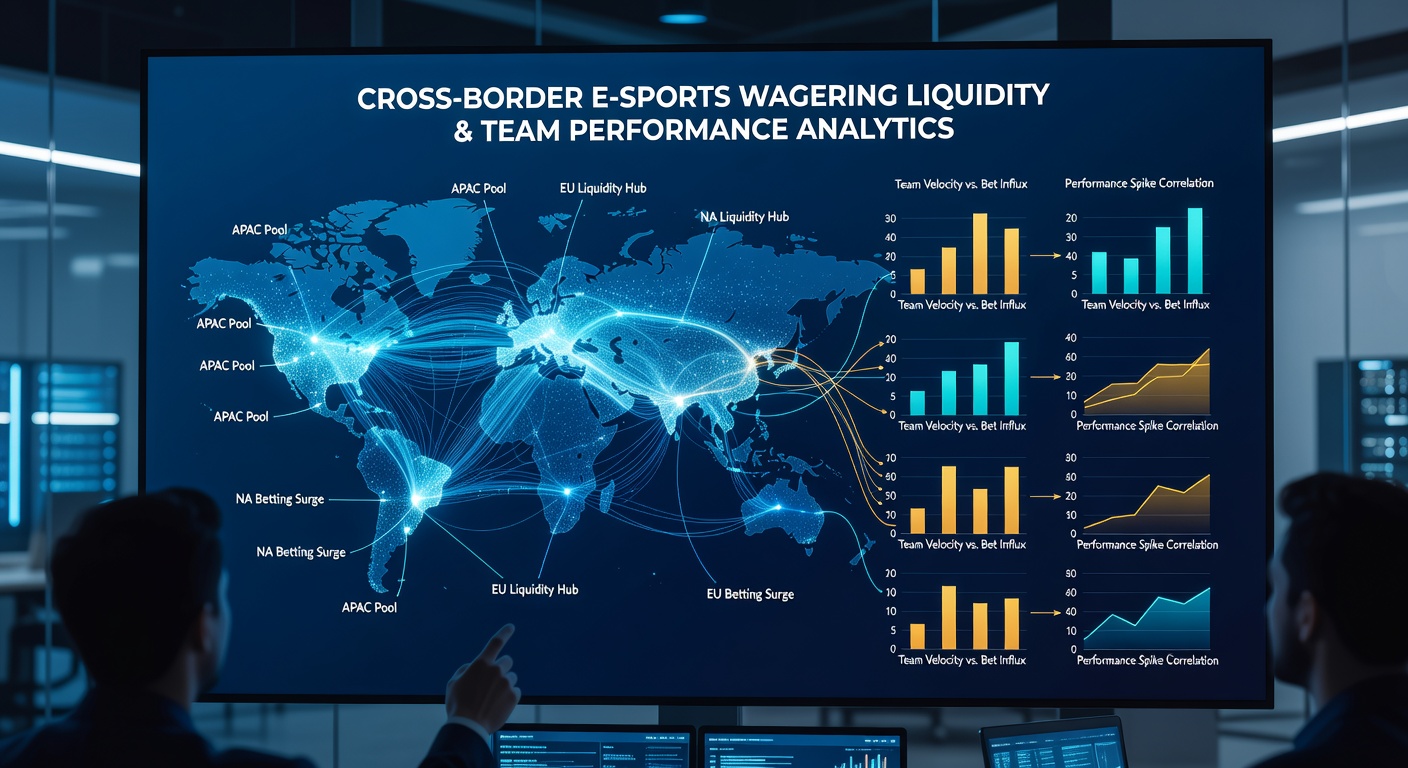
Methods Used to Trace These Patterns
Tracing relies on a combination of on-chain transaction records from certain decentralized platforms and traditional API feeds from licensed operators. When pools operate across borders, timestamps and wallet clustering techniques allow researchers to separate retail flows from professional activity. Performance databases maintained by league publishers supply the comparative variables, including player-specific metrics such as average creep score per minute and assist-to-death ratios.
One approach involves mapping liquidity velocity, or the rate at which new capital enters a pool after a performance update, against historical team tendencies. Teams that demonstrate stable late-game execution, evidenced by win rates above 60 percent after the 30-minute mark, often generate sustained liquidity inflows on handicap markets. This pattern held across matches played in May 2026, according to aggregated reports shared among industry data providers.
Regional Variations in Emerging Leagues
Leagues in Vietnam and the Philippines exhibit distinct liquidity signatures compared with more mature circuits. Matches in these regions frequently draw higher proportions of cross-border stakes from cryptocurrency-enabled platforms, which settle faster and therefore contribute to quicker odds stabilization. Performance data from these leagues tends to update in near real time through official APIs, allowing pool algorithms to recalibrate lines within minutes of each game conclusion.
Regulatory frameworks in Singapore and Australia require operators to maintain records of large-volume transactions, and these records have supplied anonymized datasets for external analysis. Such data has helped identify clusters where liquidity from one jurisdiction consistently precedes strong showings by specific rosters, although causation remains difficult to isolate from confounding variables like roster changes or patch updates.
Conclusion
Patterns linking liquidity in cross-border e-sports wagering pools to team performance data from emerging Asian leagues continue to evolve as data collection improves and more matches occur under standardized reporting. Available records from 2026 demonstrate consistent statistical associations between certain performance indicators and subsequent capital movements, while also highlighting the influence of regional timing and platform mechanics on how those associations manifest. Continued monitoring by both academic researchers and regulatory authorities across multiple jurisdictions will likely refine the precision of these observations in subsequent seasons.